
Schertz Foundation Repair: Signs, Causes, and Solutions
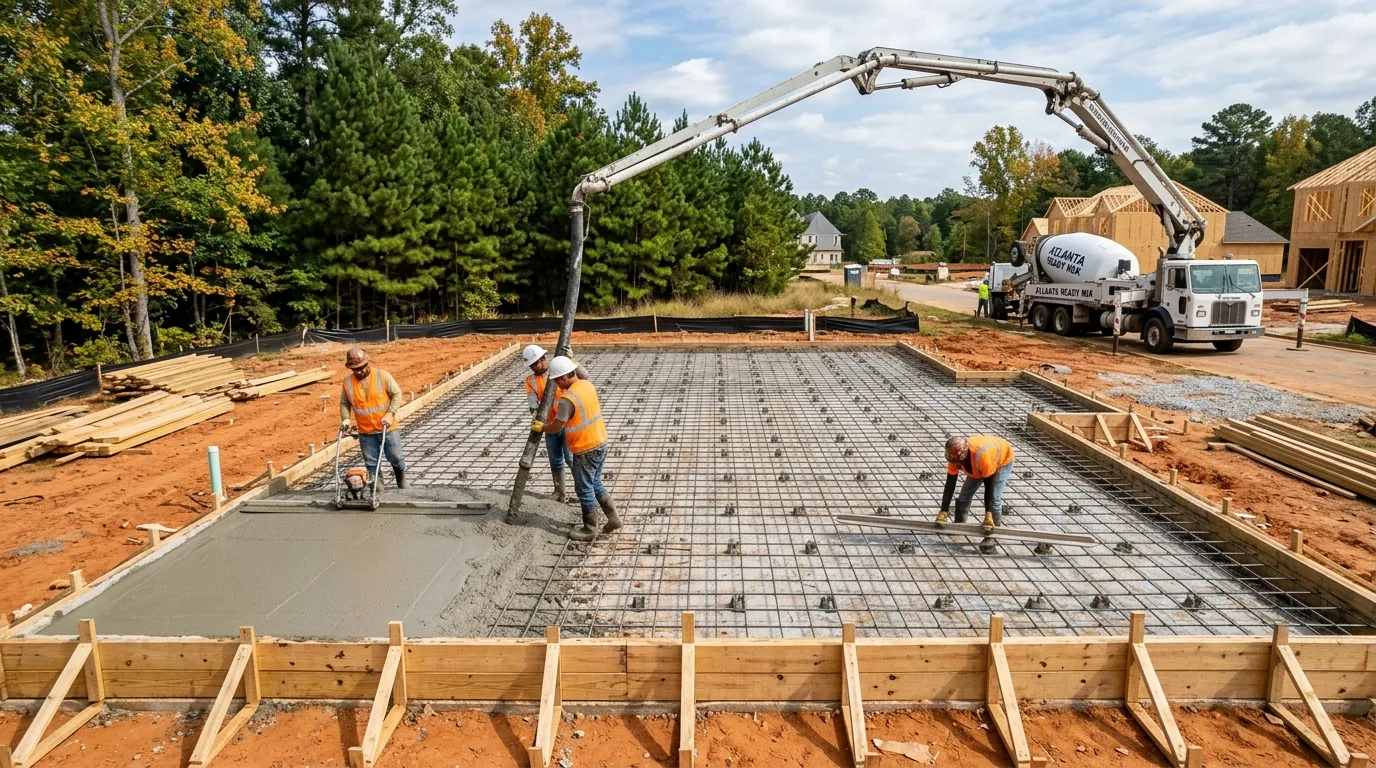
Sticking doors, diagonal wall cracks at window corners, visible gaps between walls and ceilings — these are the signs that make Schertz homeowners search “foundation repair Schertz TX” at 2 a.m. They’re also among the most alarming things a homeowner can discover, because foundation problems signal that the structure of your home may be moving. But the cause of these symptoms in Guadalupe County is almost always the same thing: expansive clay soils responding to moisture changes the way they always have, in ways that can be managed with the right repair approach.
In this post, we cover the specific warning signs of foundation movement in Schertz homes, how Guadalupe County clay soils drive these problems, what repair options exist, and when each approach is appropriate.
Foundation Issues in Schertz? Get an Honest Assessment
We diagnose the cause before recommending a repair — no high-pressure sales, just honest evaluations.
Why Schertz Has More Foundation Issues Than Many Texas Markets
Schertz sits at the edge of the Blackland Prairie, one of the most challenging regions in the United States for concrete slab-on-grade foundations. The clay soils here — montmorillonite clays capable of expanding 10 percent or more in volume with moisture — are documented in engineering literature as among the most reactive in North America.
Homeowner discussions in the New Braunfels and Schertz area regularly reference “expansive black clays on the east side of I-35” as problematic for slab foundations. This isn’t hyperbole — it’s an engineering reality. The Guadalupe River corridor and the rolling terrain of Rhine Valley and Bentwood Ranch neighborhoods sit on soils that respond dramatically to moisture changes, and Schertz’s wide seasonal precipitation range (from May’s average 4.46 inches down to December’s 1.6 inches) ensures those moisture changes happen every year.
Warning Signs of Foundation Movement in Schertz
Diagonal wall cracks at window and door corners: This is the most diagnostic sign. Diagonal cracks at 45-degree angles from the corners of windows and doors indicate differential settlement — one part of the slab is moving more than the adjacent section. Horizontal or vertical cracks are generally less concerning than diagonal ones for slab movement.
Sticking doors and windows: When the frame shifts because the slab beneath it has moved, doors and windows no longer operate smoothly. A door that suddenly starts sticking where it previously opened freely is worth investigating.
Visible gaps between walls and ceiling: When a slab section settles, the wall above it drops. This creates a gap between the wall and the ceiling where they were previously in contact.
Cracked or stepped brick veneer: Exterior brick shows stair-step cracking patterns that follow mortar joints when the foundation beneath it has moved differentially.
Uneven floors: Sections of the floor that feel sloped when you walk them, or that produce hollow sounds when knocked, indicate slab movement or voids beneath.
Water intrusion at the foundation perimeter: Water collecting at the base of the foundation after rainfall indicates inadequate drainage — a common contributing cause of the moisture-driven soil movement that produces foundation problems.
How Clay Soil Movement Causes Foundation Issues
Understanding Your Soil Is the First Step
We assess soil conditions and moisture patterns before recommending any Schertz foundation repair approach.
The pattern of foundation movement in Schertz follows the moisture cycle: wet season expansion lifts the perimeter of the slab (where soil has contact with the air and dries and wets most dramatically), while the center of the slab — insulated from surface moisture changes by the foundation itself — remains relatively stable. This produces perimeter settlement in dry periods and perimeter heave in wet ones. Over years of cycling, the differential movement accumulates into visible structural symptoms.
The cause is almost never “bad concrete” — it’s soil. A properly designed slab with adequate reinforcement may still develop cracks when the soil beneath it moves enough. The question for repair is not just “how do we fix the concrete symptoms” but “how do we address the soil moisture management that is driving the movement.”
Without addressing drainage, plumbing under the slab, and soil moisture management, structural repairs to a Schertz foundation will fight an ongoing battle with the soil.
Foundation Repair Options for Schertz Homes
Drainage correction: Before structural repair, addressing drainage that is directing water toward the foundation is essential. Correcting grade, installing gutters and downspout extensions, and redirecting irrigation away from the foundation perimeter can significantly reduce the moisture cycling that drives clay soil movement.
Pier installation: Steel piers (push piers or helical piers) are driven through the active clay layer into stable load-bearing soil or bedrock below. Piers transfer the structural load to stable soil, preventing further settlement. This is the standard approach for documented settlement that has measurably dropped one or more sections of the home. Most Schertz slab-on-grade projects requiring piers need 8–15 piers depending on home size and damage distribution.
Mudjacking/slab lifting: For slabs that have settled but are structurally intact, mudjacking — pumping grout beneath the slab to fill voids and restore grade — is a less invasive option than pier installation. It works best for flatwork (patios, driveways, sidewalks) and in cases where settlement is uniform rather than differential.
Crack injection: Epoxy or polyurethane injection stabilizes existing cracks and prevents water infiltration. This addresses the crack symptom but not the underlying movement — appropriate for stable cracks in homes where movement has stopped.
Slab section replacement: When sections of the slab have fractured through their full depth and are beyond crack repair, saw-cutting and replacing the section is necessary. This typically follows pier installation to ensure the new concrete is placed on a stabilized foundation.
Practical Uses for Foundation Knowledge
Before you panic: Not every crack or sticking door is a foundation emergency. Small hairline cracks in drywall — the kind you can barely fit a credit card in — often result from normal settling and are not structural. Diagonal cracks at window corners that are actively growing are more concerning than stable ones. Monitor suspected problem areas with tape and date markers for 60–90 days before concluding the movement is active.
For Schertz neighborhoods near Cibolo Creek: Low-lying areas near Cibolo Creek and Crescent Bend Nature Park may have additional soil moisture considerations due to proximity to the creek. Flood zone designation should be investigated, and additional drainage assessment is advisable for foundation-adjacent work.
Before selling a home in Schertz: Foundation issues are among the most common disclosure items in Guadalupe County home sales. Addressing known foundation movement before listing — and obtaining documentation from a qualified repair contractor — positions your home better in the market than leaving buyers to discover issues in inspection.
For new construction buyers in The Crossvine: New master-planned communities involve recently disturbed and compacted soils. The first 3–5 years post-construction often see more settling activity as soils compact to equilibrium. Monitor your foundation annually during this period.
Frequently Asked Questions
How do I know if my Schertz home has a foundation problem?
The clearest signs are diagonal cracks at 45-degree angles from window and door corners, sticking doors and windows that previously operated normally, visible gaps between walls and the ceiling, and uneven floors. A qualified assessment from a concrete or foundation contractor — not a structural engineer paid by a repair company with a financial interest in your diagnosis — should evaluate any combination of these symptoms.
How much does foundation repair cost in Schertz?
Pier installation runs $1,500–$3,000 per pier, with most homes requiring 8–15 piers. Full foundation repair project costs in Guadalupe County typically run $8,000–$20,000+. Mudjacking for flatwork is less expensive: $500–$1,500 depending on area. Crack injection runs $400–$1,000 per repair. See our foundation repair service page for full cost detail.
Can I fix foundation issues myself in Schertz?
Crack injection and minor drainage corrections around the foundation perimeter are within DIY range for handy homeowners. Structural pier installation and slab work require licensed contractors, heavy equipment, and City of Schertz building permits for structural concrete modification. Attempting structural foundation repair without permits and professional oversight in Guadalupe County is not advisable.
Foundation Repair in Schertz — Honest Diagnosis First
Call Schertz Concrete at (888) 376-0955 for a free on-site foundation assessment. We identify causes, not just symptoms.
Related: